Mega Crit's Slay the Spire has been running since January 2019 and has aged into one of the genre's reference points rather than only an early example of it. Worth noting up front: a sequel, Slay the Spire 2, exists and has drawn its own separate and considerably rockier review history. This is a review of the original, still the more consistently well-reviewed of the two.
What Works
The core loop, climbing a procedurally generated tower one card-based combat at a time while building a deck from scratch each run, still feels remarkably tight this many years on. Three distinct characters (with a fourth added later) each demand a meaningfully different deckbuilding approach rather than reskinned versions of the same strategy, and the game's habit of showing exact enemy intentions before a player acts removes the guessing-game frustration that trips up a lot of the genre. PC Gamer's original review called it "one of the most elegantly designed games in recent memory" and credited it with spawning "a brilliant new subgenre" of its own.
Reception has held at a level few games on this site can match. Steam's all-time score sits at 97 percent Overwhelmingly Positive across more than 76,000 reviews, with the last 30 days still averaging 94 percent, and Metacritic's critic aggregate lands at 89 from 24 reviews. Both numbers describe a game that hasn't slipped from its 2019 reputation, one of the more durable review profiles reviewed here.
What Doesn't
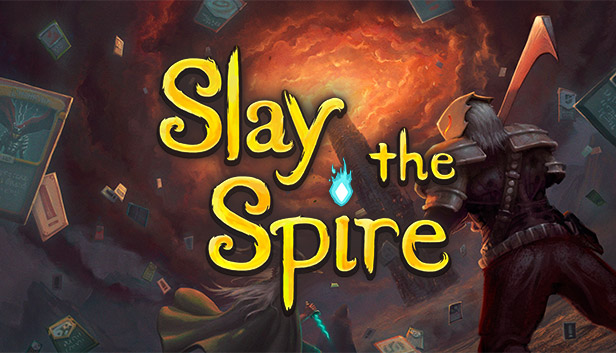
PC Gamer's review flagged the presentation as the weakest part of the package even at launch, calling the animations underwhelming next to a game like Darkest Dungeon and noting that most of the moment-to-moment attention goes to the cards rather than anything happening on screen. Years of visual standards moving on since haven't done that critique any favors.
The other real complaint is about balance rather than looks: defensive block-stacking works so reliably across every character that it edges toward mandatory, and a deckbuilder built around distinct character identities loses some of that distinctiveness when the safest answer to most fights looks the same no matter who's playing.
Slay the Spire is still the deckbuilder other deckbuilders get compared to. The character-specific strategy layer and the perfect-information combat system haven't been meaningfully topped since 2019, and a defense-stacking meta plus dated presentation are the kind of complaints that come from picking apart a genre-definer rather than reasons to skip it.
Consulted for this review:
 Official art · via Steam