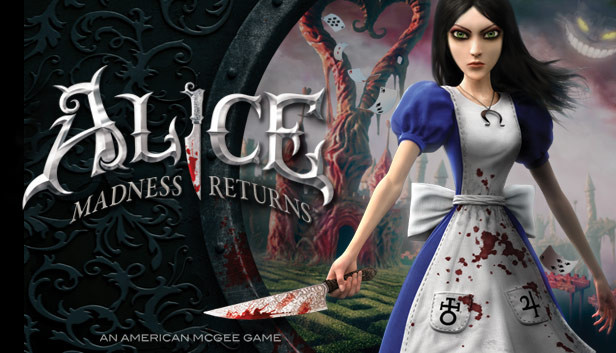
Alice: Madness Returns sends a traumatized, institutionalized Alice back into a Wonderland that's rotting from the inside, and fifteen years on, that pitch still hits harder than most horror games manage. Spicy Horse built each chapter around a different fracture in Alice's psyche, a decaying Victorian London bleeding into gothic, oriental, and Mad Hatter-themed nightmares, and critics at launch mostly shrugged: PC reviewers landed around seventy-five, console versions closer to seventy.
What Works
The art direction is the reason people still bring this game up in 2026. Every Wonderland chapter commits fully to its own visual identity, and that commitment, paired with unsettling atmosphere and strong voice work, is what turned a middling critical reception into a cult following that's only grown louder over time. Steam's current user score sits around ninety percent positive across close to thirty thousand reviews, a number that's aged a hell of a lot better than the original Metacritic tallies did.
Level design backs that reputation up: the traversal variety, shrinking down for hidden paths, gliding across gaps with an umbrella, keeps the platforming from going stale even across a fairly long campaign.
What Doesn't
Combat is where the seams show. Encounters repeat their patterns too often across the game's length, and American McGee has said publicly that he wanted more time to cut filler and fix bugs before shipping, a wish that lines up with how rough some stretches still feel. That's the gap between the 2011 critic consensus and the cult reputation Alice built afterward: reviewers were grading an unfinished-feeling combat loop, and players fell for everything wrapped around it instead.
EA has spent over a decade blocking McGee's attempts at a real sequel, calling the IP “an important part of EA's overall game catalog” while doing nothing further with it. McGee retired in 2023 over that fight, then came back anyway with a spiritual successor he's said carries “a kind of obvious overlap” with this game's ending, though not one that drags EA's lawyers into it. That's the kind of loyalty a 75 on Metacritic never saw coming.
Consulted for this review:
 Official art · via Steam