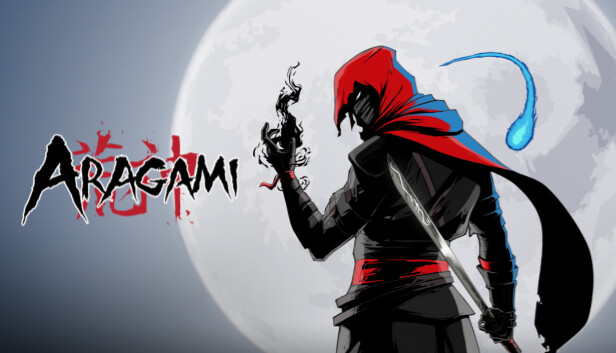
Aragami puts you in the role of an undead assassin who moves by teleporting between patches of darkness instead of crouch-walking through it, and that single mechanic does more work than most stealth games manage with a full toolkit. Lince Works shipped this as a small studio's debut, and it went on to sell over half a million copies by 2020, a hell of a return for a linear, level-based ninja game with no marketing budget to speak of.
What Works
The shadow-teleport, invisibility, and summon-a-shadow-dragon kit gives every mission multiple real solutions, and that freedom is the whole appeal: rescue the girl Yamiko from a fortress city by ghosting past every guard, or by feeding on their light-wielding patrol routes one at a time. Windows Central called the Xbox version “a truly perfect stealth game,” and the atmosphere backs that praise up, moody, shadow-drenched level design that makes staying hidden feel like the reward rather than the chore.
Steam's long-term numbers hold up the reputation too: eighty-nine percent positive across close to thirteen thousand reviews, a score that's stayed remarkably stable for a game closing in on a decade old.
What Doesn't
Critics were never quite as sold as players. Metacritic scores landed anywhere from seventy-one to eighty-one depending on platform and edition, with the improved Shadow Edition re-release scoring the highest of the bunch, and most period reviews settled around a solid seven out of ten rather than anything higher. Combat and some technical rough edges were the usual drag cited, a fair complaint against a game whose stealth systems outclass its fallback options by a wide margin once a mission goes loud.
Aragami never needed a bigger budget to make its point. A tight shadow-teleport toolkit, a handful of clever mission designs, and a studio that understood its own idea carried this to a solid, lasting reputation that's held up nine years on.
Consulted for this review:
 Official art · via Steam