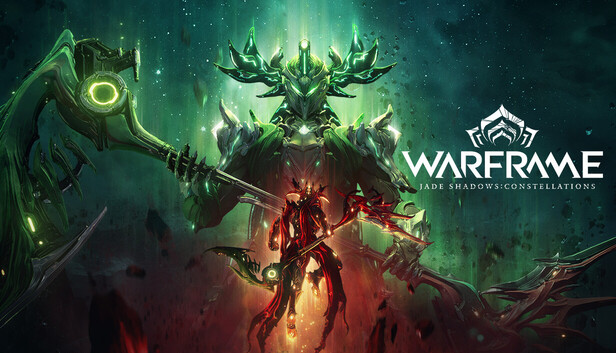
About a thousand hours into Warframe, I'm still finding systems I haven't touched, which is true of very few games and especially strange for one that launched in March 2013 to a 64 on Metacritic and a review calling it "instantly forgettable." Digital Extremes didn't patch that game so much as replace it, piece by piece, for thirteen straight years, and what's running today barely resembles what those early reviewers played.
What Works
The movement is still the thing that sells it. A 2026 retrospective from JEU.VIDEO put it simply: Warframe "still feels remarkably fast: jumps, slides, gunfire and melee attacks flow together with unusual intensity," with "wall running, double jumps, sliding and abilities" turning ordinary missions into what the outlet called "a ballet of blades and projectiles." Steam's current numbers agree with that assessment at scale: 88% positive across more than 674,000 all-time reviews, "Very Positive" on a game most of those reviewers didn't have access to in 2013.
The gap it's climbing out of is what makes that number remarkable. PCGamesN's own 2026 look back at the game called it "a success story quite unlike any other, one that other developers should look at and take notes from," crediting a pattern of shipping new systems, not reskinned content, several times a year, without ever charging for the privilege. Nothing that matters to combat effectiveness sits behind a paywall. Real money buys convenience and cosmetics, the same fair-to-play line Grinding Gear Games draws for Path of Exile, and one this genre doesn't hold to nearly as often as it should.
What Doesn't
The new-player funnel is the well-documented weak point, and it's not a launch-era problem, it's a current one. A 2026 hands-on writeup described the first few hours as well-paced and then everything changing: "somewhere around the halfway point the game just completely loses its mind. Suddenly I had a dozen different systems all demanding my attention." That's not an exaggeration for anyone who's tried to explain the mod system, the Warframe/weapon leveling loop, and the open-world hubs to a friend in one sitting.
The crafting-timer economy is the other honest complaint, and it's structural rather than incidental: real-time waits on gear that the game happily offers to skip for real money, a pattern the same 2026 review flagged as "tricks I'd expect from the sleaziest of sleazy mobile games." It's avoidable if you're patient, and Warframe never locks power behind it permanently, but the prompt shows up often enough that it earns the criticism every time.
Warframe is the best argument I know that a bad launch doesn't have to be a life sentence. The onboarding cliff and the crafting-timer nag are real, current flaws, not relics of 2013, but neither one has stopped this from becoming my second-most-played game on record, and thirteen years of continuous rebuilding is the reason why.
Consulted for this review:
 Official art · via Steam