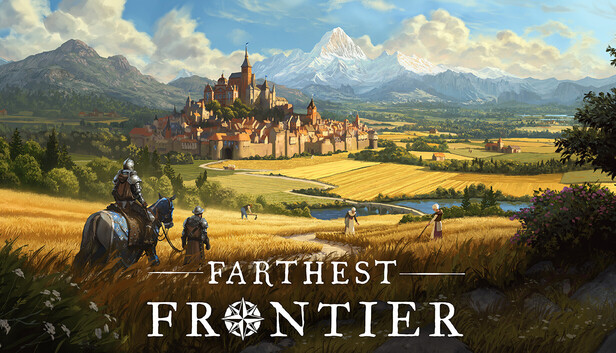
Farthest Frontier spent three years in Early Access before Crate Entertainment called it finished in October 2025, and the extra time shows in the one system every other city builder fakes: the economy is fully physical. Carts haul goods down real roads, and laborers walk to the job instead of teleporting there. Nothing moves until someone moves it.
What Works
That physicality runs all the way down to the dirt. Each field tracks its own soil nutrients, crop rotation, and weed buildup, so farming stops being a slider set once and forgotten. Disease isn't random either: skip stockpiling firewood and smokehouses stop preserving meat, and sickness follows the shortage instead of a dice roll. Population grows and ages on its own instead of getting recruited on demand, so headcount and workforce become two numbers to plan around separately.
Raiders target the richest stockpiles, and soldiers have to physically reach the armory before they can fight back, turning defense into a logistics problem instead of a button press. Eighty-six percent of nearly eleven thousand reviewers still call it Very Positive, even with the last thirty days cooling to seventy-nine as the 1.0 launch hype settles. This is one of the best-simulated city builders available right now.
What Doesn't
The early hours drag. Advancing from one wall tier to the next means grinding through a resource queue with little else to do but wait, and once a town stabilizes around five hundred people, the tension that made the opening hours tense mostly evaporates.
Combat is the weak link across the board: raiders drip-feed into defenses against AI that Steam reviewers have called out directly as thin, and the interface for placing buildings still leans on clunky manual sliders instead of anything more direct.
Buy it. The simulation depth carries the slow start and the thin combat. Give it the first ten hours it needs to get going before deciding.
Consulted for this review:
 Official art · via Steam